
City Advances 242 New Rental Housing Units Across Multiple Projects
The City’s latest projects add 242 rental units, highlighting ongoing questions about long-term housing balance.
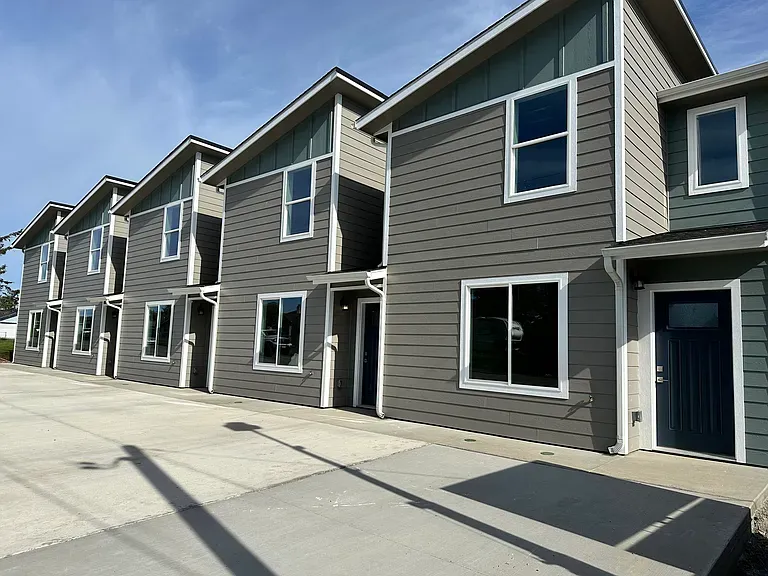
The City has advanced multiple housing developments that together will add 242 residential units within low- and moderate-income brackets. Three projects are at or near completion within the City’s approximately 1.8-square-mile footprint.
One project on California Street will provide 56 family housing units, with occupancy expected in the near term. Harbor Point, located on H Street, is now open and includes 26 units designated for seniors. A third development, Battery Point, is planned to deliver 120 family units along with 62 senior apartments, with completion anticipated in 2026.
In addition to these projects, planning is underway for a fourth development known as Redwood Downtown. The project is proposed as a mixed-use redevelopment of the long-vacant Daly Bros. Department Store site and would include 27 residential units and two ground-floor commercial retail spaces. Current planning timelines project completion in 2028.
All of the completed and planned projects are tenant-occupied rental housing. While rental units address immediate housing demand, the absence of ownership opportunities raises questions about long-term community stability and housing mobility. Homeownership is often associated with longer residency, equity building, and reinvestment in neighborhoods, factors that are not directly addressed by rental-only development models.
Within the City, many older rental properties—aside from a small number of newer or well-maintained complexes—show signs of age and deferred maintenance. This reflects broader challenges in the rental market, including rising construction costs, regulatory constraints, and limited incentives for reinvestment in aging housing stock.
The affordability gap between renting and owning has widened substantially over time. Historically, entry-level homeownership required significant saving, often paired with higher interest rates but comparatively low purchase prices. Today, purchase prices for similar homes have increased severalfold, while wage growth has not kept pace.
As a result, many first-time buyers now face barriers including high down-payment requirements and income thresholds that exceed what many working households can meet. At the same time, a large portion of existing homeowners hold mortgages with historically low interest rates, reducing turnover and constraining housing supply.
The City’s recent housing developments represent a measurable increase in rental inventory within limited geographic boundaries. How future housing policy balances rental needs with attainable ownership opportunities remains a central question for long-term community growth and economic resilience.



Comments ()